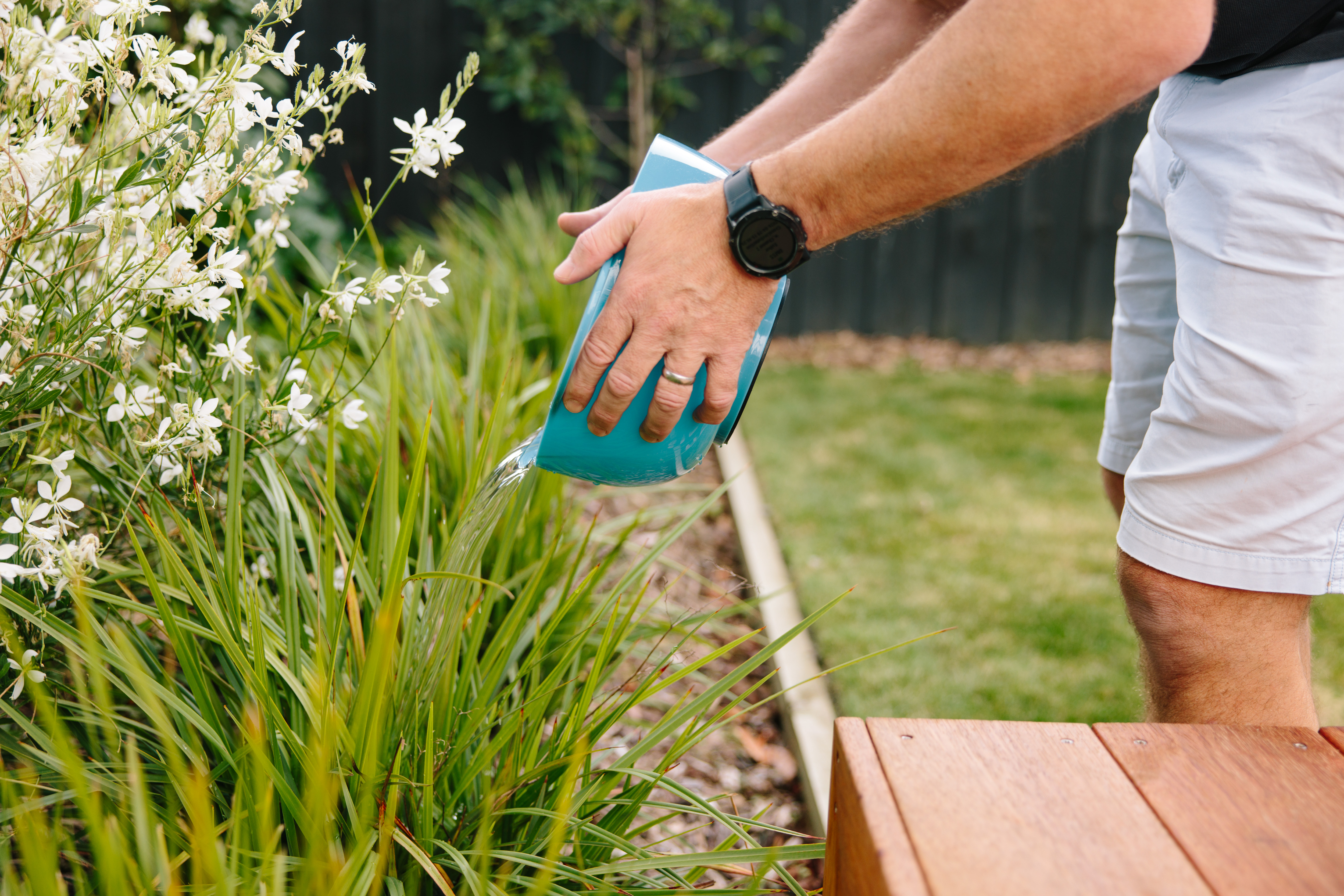
The biggest changes most people can make start at home, with a few small shifts to your daily habits.
We call that being waterwise – trying to only use what you need and reduce waste where you can.
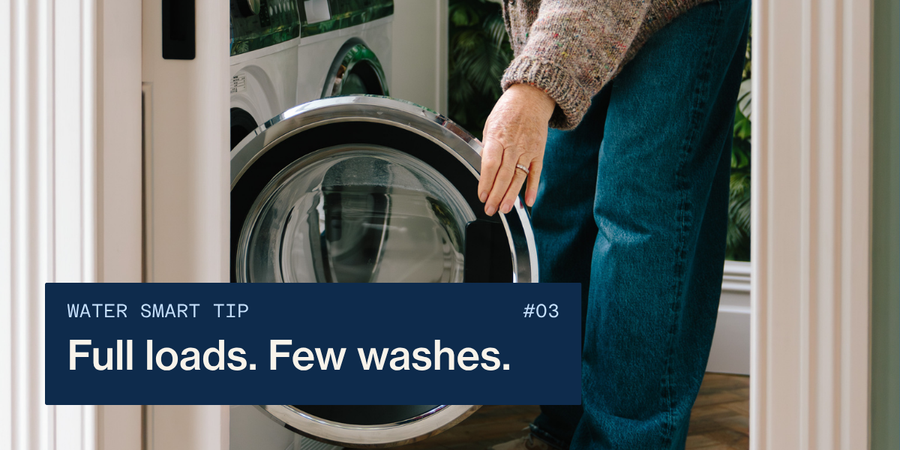
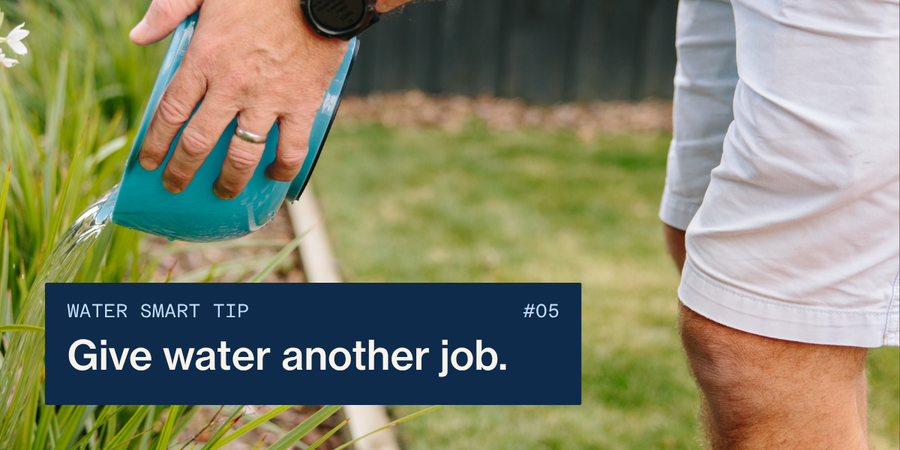
Simple things, like only running the dishwasher when it's full, or catching the water you used to wash your vegetables to give to the garden instead of letting it go down the drain.
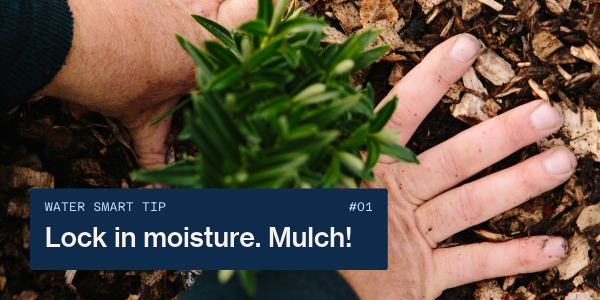
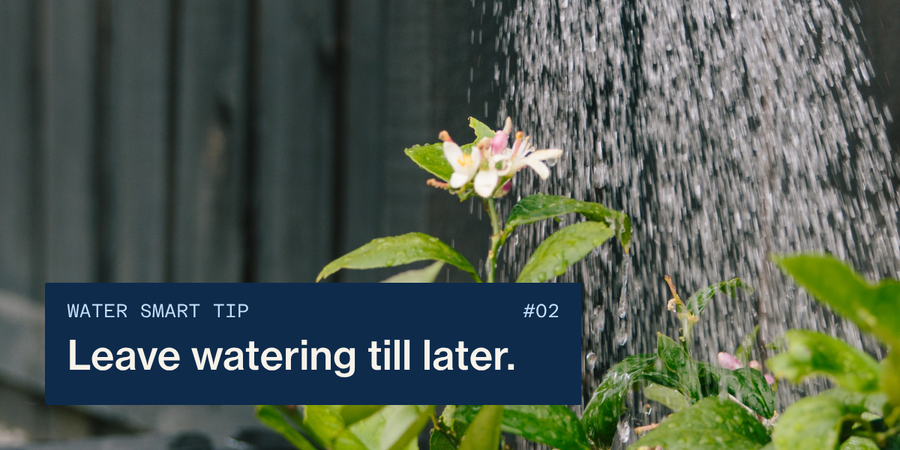
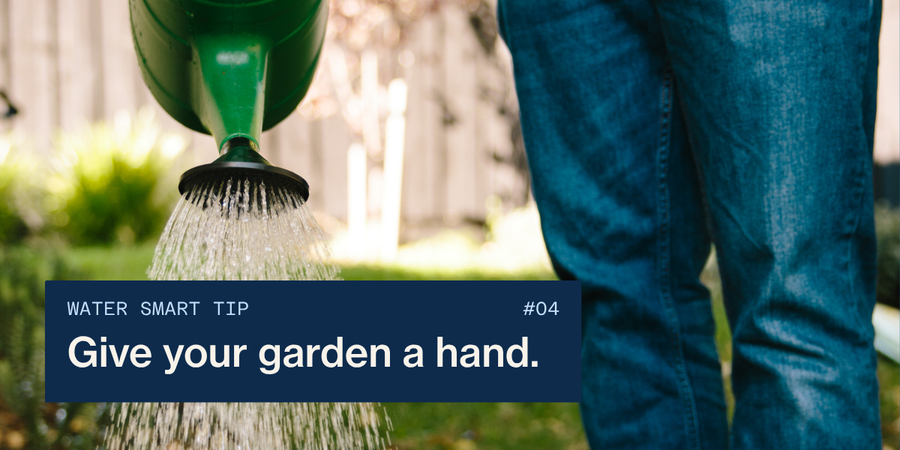
In the garden, where the vast majority of our peak summer demand comes from, it means taking a bit more care where you're aiming the hose. So you're only watering the soil, not the paths or driveway. Watering at night, between 9pm and 6am, also means less gets lost to evaporation before it reaches the roots. And use a watering can, if you can. If you really want to go the extra mile, a layer of mulch or pea straw helps keep moisture in the ground for longer.
You can start small, with simple changes to how you use water every day. And the best thing is, it often shows up on your bill. Because water use is measured through your meter, using less really does mean paying less.
Small as these changes feel individually, they soon add up once enough people are doing them. That's how we can all help protect the system – by taking the pressure off when it needs it most.
Read our tips below.
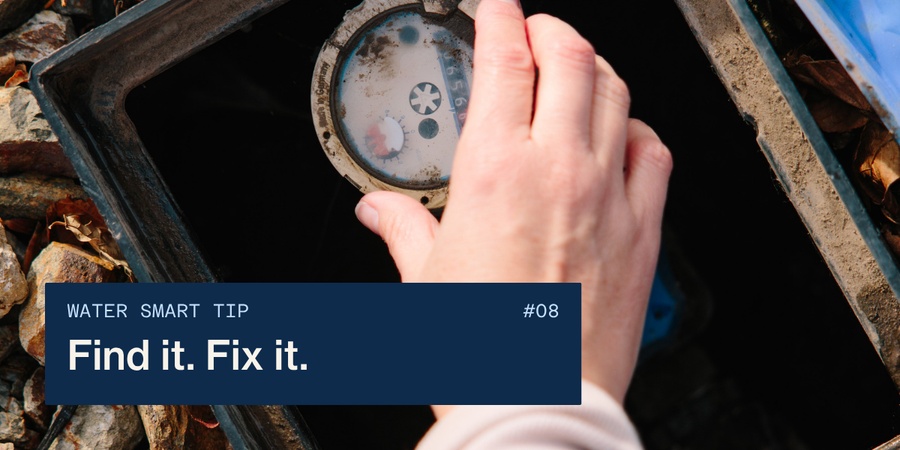
How much water do we use?
The table shows the amount of water typically used for different household activities.
| Activity | Water used | Buckets |
|---|---|---|
| Bath | 50 to 120 litres (half full) | 5 - 12 buckets |
| Shower | 70 to 160 litres (8 minutes) | 7 - 16 buckets |
| Washing machine | 23 litres per kg of dry clothing | 4 - 5 buckets |
| Tap | 200 litres per day, if leaking | 20 buckets |
| Hose | 600 to 900 litres per hour (hand watering) | 60 - 90 buckets |
| Sprinkler | Up to 1,500 litres per hour | 150 buckets |
| Washing a vehicle | 100 to 300 litres | 10 - 30 buckets |
| Filling a pool | 20,000 to 50,000 litres | 2,000 - 5,000 buckets |
Harvesting rainwater
Installing a rainwater tank is relatively simple and inexpensive, and the benefits are ongoing.
- Rainwater is a good source of water for using on your garden.
- It can also be used for washing your clothes, flushing the toilet, and – if it's properly treated – for drinking and other household uses.
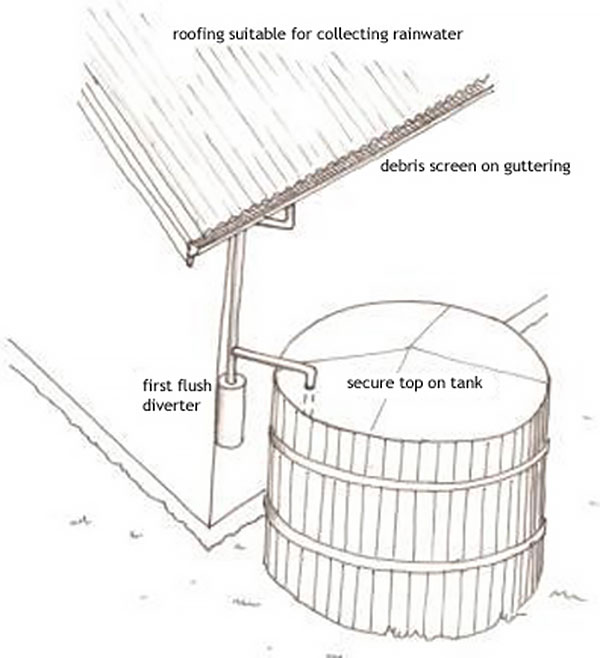
More information about how to harvest rainwater is available on the MBIE Smarter Homes website.